

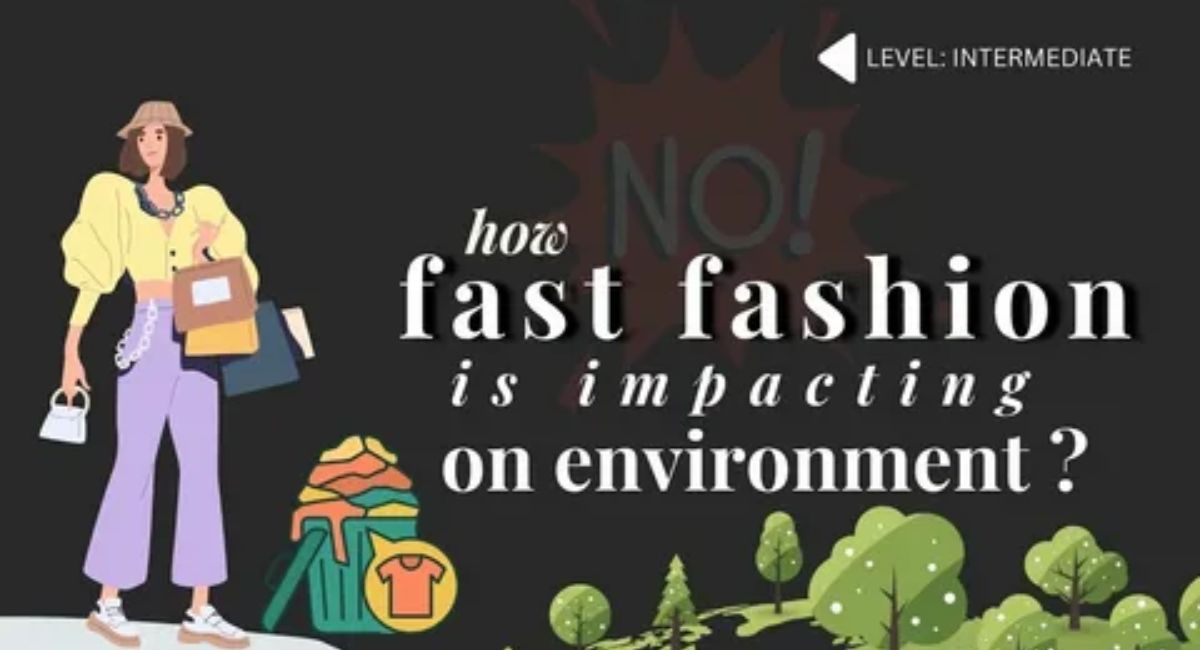
Modern clothing is not just about style anymore. It’s also about sustainability, ethics and long-term value. This fast-fashion quality analysis examines how rapid production cycles impact garment durability, environmental health and labor systems. We can better understand Fast Fashion Quality Analysis cheap clothing by examining industry trends, real-world data and practical solutions.
Fast Fashion Statistics – What the Numbers Reveal
Data is the foundation of any fast-fashion quality analysis. According to the United Nations Environment Programme the fashion industry accounts for a large share of global greenhouse gases. In addition, the global apparel industry has seen its consumption double in the last two decades. However, the average number times that a garment has been worn has declined.
The following are some of the key trends in industry:
- More than half of the global fiber production is now made up of synthetic fibers like polyester.
- Quick response manufacturing (QRM) enables shorter production cycles.
- Micro-collections replace seasonal releases
These statistics show a system that is built more on speed and volume than durability or long-term performance.
Fast Fashion and the Environment: Costs to the Planet
The environmental impact of fast fashion is closely related to the garment quality. Lower-quality garments are discarded faster, which increases demand for new production.
Environmental concerns include:
- Carbon emissions from textile production
- Water-intensive dyeing processes
- Microplastics shedding from Synthetic Fabrics
- Energy-heavy global supply chains
According to UNEP textile production contributes significantly to global water contamination due to chemical dyes. The environmental impact of garments that are produced cheaply and thrown away quickly increases.
Fast Fashion and Social Impact: Ethical and Labour Concerns
Quality concerns are not separate from social impact of fast fashion. In order to meet the demands of fast turnaround and low prices, production is often moved to lower-cost regions.
The Rana Plaza collapse of 2013 revealed unsafe conditions in the garment industry and insufficient oversight.
Some of the most common social concerns include
- Low-wage workers
- Excessive working hours
- Limitation of labor protection
- Lack of transparency in the supply chain
A comprehensive fast Fashion Quality Analysis should therefore not only include material evaluation, but also Fast Fashion Quality Analysis ethical standards of manufacturing.
Fast Fashion, Overconsumption and the Culture of Disposability
Fast fashion and overconsumption are the two most important factors that contribute to a decline in garment quality.
Social media platforms like Facebook, Twitter and YouTube encourage frequent wardrobe updates. This cycle reinforces designed obsolescence where products are deliberately designed for short-term usage.
As a consequence:
- More items are purchased by consumers each year
- The garments are worn less often
- Replacement cycles are shorter.
Clothing becomes temporary and not long-term.
Fast Fashion Pollution: Hidden Environmental Consequences
fast-fashion pollution is a problem that extends far beyond the visible waste in landfills. When synthetic materials like polyester or nylon are washed, they release microfibers that enter waterways. This contributes to marine pollution.
Other pollution sources include
- Toxic dyes runoff
- Carbon emissions from global shipping
- Plastic packaging waste
Environmental safeguards in fast fashion production facilities are minimal because they prioritize cost-efficiency.
Fast Fashion Waste – The Growing Global Textile Crisis
fast-fashion waste is the most obvious result of a declining garment’s quality.
Every year, millions of tons of textiles end up in landfills. Synthetic fibers do not degrade and can stay in landfills for many decades. Incineration of some unsold clothing releases more emissions into the air.
This waste stream is directly fueled by low durability. If a shirt only lasts five to ten washings, it is time for a replacement.
Hence, improving quality can reduce waste production significantly.
Fast Fashion Essay: Consumer capitalism and quality decline
Analytically, this topic is similar to a modern essay about consumer capitalism. The industry is a reflection of a tension between sustainability and accessibility.
On the one hand,
- Fashion is more accessible with affordable clothing
- Rapid production satisfies demand
The other hand:
- Environmental degradation intensifies
- Labor systems remain under scrutiny
- The product lifespan is continuing to shrink
The current fashion landscape is characterized by a duality.
Fast Fashion Solutions for Improving Quality and Sustainable
In order to address the decline in garment quality, structural changes must be made at both consumer as well as industry levels. This analysis of fast fashion quality highlights practical solutions.
1. Investing in Durable Materials
The garment life expectancy is improved by using higher-grade natural fibres, such as organic Cotton and linen.
Find out more about Sustainable fabrics guide
2. Supporting Transparent, Ethical and Transparent Brands
Brands who adopt slow fashion principles emphasize durability and ethical labor. By supporting these companies, you can encourage higher-quality production. Patagonia Everlane and People Tree are examples.
Read more about Slow Fashion Alliance
3. Embracing Circular Fashion
By extending product lifecycles through second hand markets and repair initiatives, we can reduce fast-fashion waste while promoting sustainability. Platforms such as ThredUp, Depop and Vinted allow consumers to buy and sell used clothing.
4. Calculating cost per wear
By evaluating the cost per wear, consumers can plan their purchases for long-term rather than making impulsive purchases. This encourages consumers to spend responsibly and reduces excessive consumption.
5. Strengthening Policies and Regulations
Legislation can make brands accountable for their environmental and ethical practices
- Transparency in the supply chain is required
- Environmental standards for textile manufacturing
- Extended Producer Responsibility Policies
Learn about EU initiatives: Circular Economy Action Plan
Conclusion
This comprehensive fast fashion quality assessment shows that low retail prices can often hide broader environmental and social costs. The decline in garment durability is linked to:
- Increased textile Waste
- Environmental pollution
- Amplified overconsumption
- Persistent social inequities
While fast-fashion is deeply embedded on global markets, policy reforms and consumer awareness are slowly changing expectations.
quality represents more than just stitching and fabric. It also signifies durability, long-term value, and responsibility. Supporting ethical brands, adopting circular fashion and investing in durable clothes can help brands and consumers contribute to a sustainable fashion industry.















Leave a Reply