

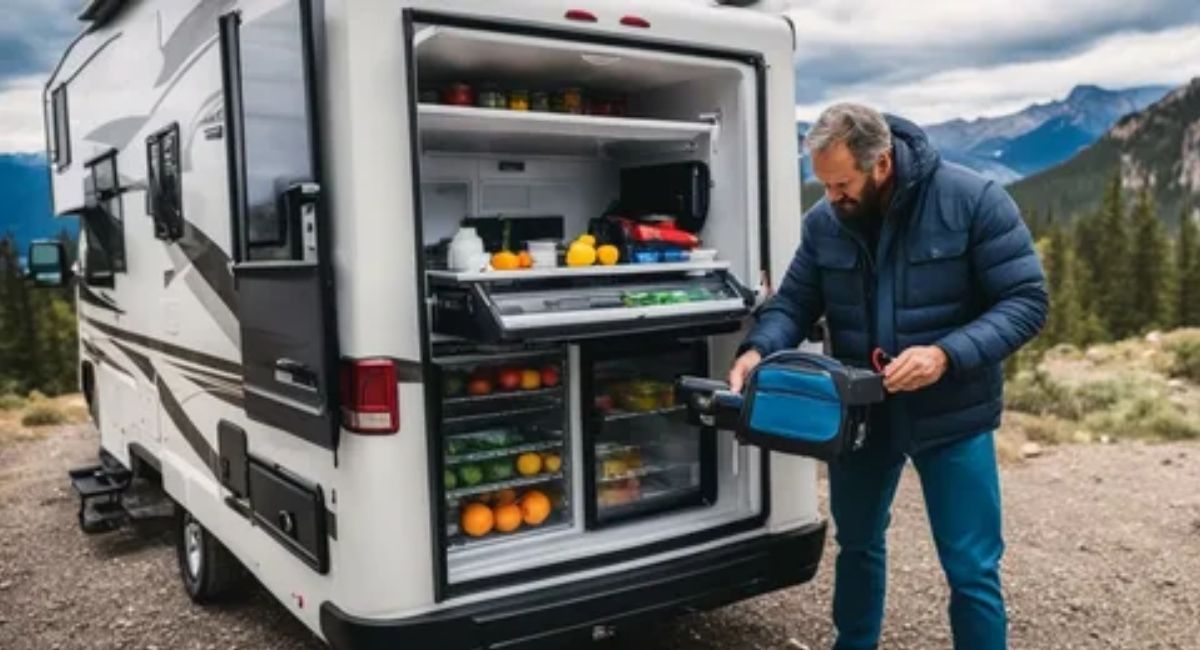
A working refrigerator is one of the most important appliances inside any RV or camper. Whether you are traveling for a weekend getaway or a long road trip, your fridge keeps food fresh and drinks cold. However, RV refrigerators can sometimes stop cooling properly or develop electrical and propane issues. Knowing a few travel trailer fridge repair tips can save you time, money, and stress during your travels.
Unlike home refrigerators, RV fridges work differently because they can operate on propane, battery power, or shore power. This makes RV refrigerator repair slightly more complicated, but many common problems can still be fixed with simple troubleshooting steps. In this guide, you will learn the most useful travel trailer fridge repair tips every RV owner should know.
How a Travel Trailer Refrigerator Works
Before starting any camper fridge troubleshooting, it is important to understand how these refrigerators work. Most travel trailers use absorption refrigerators. These units use heat and chemicals instead of compressors to create cooling.
RV refrigerators usually operate on:
- Propane gas
- 120V electric power
- 12V battery power
Because these systems rely on proper airflow and leveling, small issues can affect cooling performance quickly.
Common Parts of an RV Refrigerator
Some important components include:
- Cooling unit
- Thermistor
- Burner assembly
- Heating element
- Control board
- Ventilation fans
Understanding these parts helps you diagnose RV refrigerator problems more easily.
Common Signs Your RV Fridge Needs Repair
Recognizing early warning signs can prevent expensive damage later. Many RV owners ignore small issues until the refrigerator stops working completely.
RV Fridge Not Cooling Properly
One of the most common complaints is poor cooling performance. If your refrigerator feels warm but the freezer still works, airflow problems or frost buildup may be the cause.
Common reasons include:
- Dirty vents
- Faulty thermistor
- Improper leveling
- Blocked airflow
Refrigerator Works on Electric but Not Propane
This problem usually points to:
- Dirty burner assembly
- Faulty igniter
- Gas supply problems
- Blocked propane line
A propane RV fridge repair often starts with cleaning the burner area.
Yellow Residue or Ammonia Smell
If you notice yellow powder or a strong ammonia smell, the cooling unit may have failed. This is a serious issue that usually requires professional RV refrigerator repair.
Fridge Shuts Off Randomly
Electrical problems such as loose wires, bad fuses, or control board issues can cause random shutdowns.
Essential Travel Trailer Fridge Repair Tips
Keep Your RV Level at All Times
One of the most overlooked RV refrigerator maintenance tips is keeping the trailer level. Absorption refrigerators depend on gravity to circulate cooling chemicals properly.
If your travel trailer stays unlevel for long periods:
- Cooling performance decreases
- Internal damage may occur
- The cooling unit may fail permanently
Always use leveling blocks or stabilizers before running the refrigerator.
Clean the RV Fridge Vents Regularly
Blocked vents reduce airflow and make the refrigerator work harder. Dust, leaves, and dirt often collect behind exterior vent covers.
How to Clean RV Refrigerator Vents
- Turn off the refrigerator
- Remove exterior vent covers
- Use compressed air or a soft brush
- Clean dust from coils and fans
- Replace vent covers securely
Proper airflow improves cooling and helps prevent overheating during summer travel.
Inspect the Burner Assembly
If your RV fridge works poorly on propane, the burner assembly may be dirty. Rust, soot, and debris can block the flame.
Signs of a Dirty Burner
- Weak flame
- Clicking sounds
- Refrigerator fails to cool on propane
- Burning smell
Cleaning the burner is one of the easiest DIY camper refrigerator repair tasks.
Burner Cleaning Tips
- Turn off propane first
- Use compressed air carefully
- Remove soot buildup gently
- Never damage the burner opening
A clean burner improves propane efficiency and cooling performance.
Check the Thermistor for Cooling Problems
The thermistor controls or refrigerator temperature. If it fails, your RV fridge may become too warm or freeze everything inside.
Symptoms of a Bad Thermistor
- Inconsistent cooling
- Food freezing in refrigerator section
- Fridge runs constantly
- Temperature changes frequently
Replacing a thermistor is usually inexpensive and simple for most RV owners.
Test the RV Refrigerator Power Supply
Electrical issues are another common cause of RV fridge problems.
Important Areas to Check
Inspect Fuses and Breakers
A blown fuse can stop the refrigerator completely.
Check Battery Voltage
Low battery voltage affects refrigerator performance, especially while traveling.
Examine Power Connections
Loose wires or corroded terminals may interrupt power flow.
Using a multimeter can help diagnose RV fridge electrical problems quickly.
Defrost the Refrigerator Frequently
Ice buildup inside the fridge reduces airflow and cooling efficiency.
Signs Your RV Fridge Needs Defrosting
- Frost on cooling fins
- Poor airflow
- Uneven temperatures
- Water leaking inside fridge
Defrosting regularly helps maintain proper cooling performance.
Safe Defrosting Tips
- Turn off the fridge
- Leave doors open
- Use towels to absorb water
- Never chip ice with sharp objects
Improve Airflow Inside the Refrigerator
Many RV owners overload their refrigerators without leaving room for airflow. Poor circulation makes cooling uneven.
Ways to Improve Cooling
- Avoid overpacking
- Leave space between food items
- Use small circulation fans
- Keep vents unblocked
Good airflow helps the refrigerator cool faster and maintain stable temperatures.
DIY RV Refrigerator Repair vs Professional Help
Some travel trailer fridge repair jobs are safe for DIY repairs, while others require a professional technician.
Repairs Most RV Owners Can Handle
- Cleaning vents
- Replacing fuses
- Defrosting
- Cleaning burners
- Replacing thermistors
Repairs That Need Professional Service
- Cooling unit replacement
- Propane leaks
- Electrical rewiring
- Control board replacement
- Ammonia leaks
If you smell gas or ammonia, stop using the refrigerator immediately and contact a certified RV repair technician.
Preventive RV Refrigerator Maintenance Tips
Preventive care reduces repair costs and extends refrigerator life.
Annual RV Fridge Maintenance Checklist
Clean Exterior Vents
Remove dirt and debris regularly.
Inspect Door Seals
Damaged seals allow warm air inside.
Test Propane Operation
Run the fridge on propane occasionally.
Check Cooling Performance
Monitor fridge temperatures during trips.
Clean the Interior
Prevent odors and mold buildup.
Routine maintenance helps avoid major RV refrigerator repair expenses later.
When Should You Replace an RV Refrigerator?
Sometimes replacement is more affordable than major repairs.
Signs You May Need a New RV Fridge
- Frequent cooling failures
- Strong ammonia smell
- Cooling unit leaks
- Excessive repair costs
- Refrigerator older than 10-15 years
Modern RV refrigerators are often more energy-efficient and reliable than older models.
Conclusion
Understanding basic travel trailer fridge repair tips can help every RV owner avoid unexpected problems during trips. Many common RV fridge issues come from poor maintenance, blocked airflow, dirty burners, or leveling problems. By inspecting your refrigerator regularly and fixing small issues early, you can improve cooling performance and extend the life of your appliance.
Simple tasks like cleaning vents, checking propane connections, and testing power supplies can prevent expensive breakdowns. While some camper fridge troubleshooting tasks are easy to handle yourself, serious issues like cooling unit failure or propane leaks should always be handled by professionals.
With proper RV refrigerator maintenance, your travel trailer fridge can stay reliable and efficient for many years of travel adventures.







Leave a Reply