

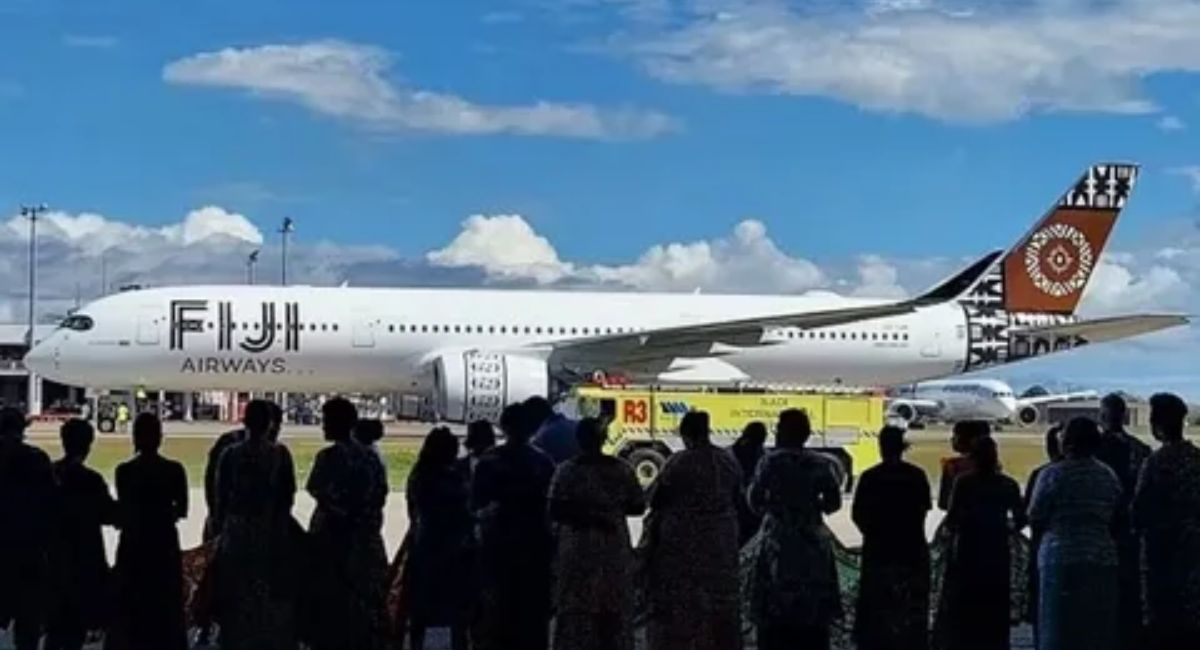
The travel industry in May and June 2026 is going through an important transition period. These two months are shaping how summer travel, airline pricing, tourism demand, and digital booking systems will behave for the rest of the year. With rising global mobility, stronger technology integration, and changing traveler behavior, the industry is moving quickly toward smarter, more flexible, and more sustainable travel systems.
Below is a detailed look at the latest trends and updates shaping travel industry news during May and June 2026.
Summer Travel Demand Is Reaching Peak Levels

Global Travel Surge Before Peak Holiday Season
May and June are traditionally the buildup months before the major summer holiday rush. In 2026, this pattern is even stronger. Airlines and travel companies are reporting a sharp increase in bookings for July and August.
Families, students, and international tourists are booking earlier than before due to price fluctuations and limited seat availability. Popular destinations such as Europe, Southeast Asia, and coastal regions in North America are seeing high demand.
Early Booking Trends Are Changing Consumer Behavior
Travelers are now more focused on early reservations instead of last-minute deals. The fear of rising airfare and hotel prices is pushing people to secure trips months in advance. Travel platforms are responding by offering flexible cancellation policies and price protection features.
Airline Industry Updates and Fare Changes
Fuel Costs and Pricing Strategies
One of the biggest stories in May–June 2026 is airline pricing adjustments. Although fuel prices have stabilized compared to previous years, airlines are still balancing operational costs with competitive ticket pricing.
Many airlines are introducing dynamic pricing models powered by AI, which adjust fares in real time based on demand, route popularity, and booking timing.
Expansion of International Routes
Airlines are expanding international connectivity again. New direct routes between Asia, Europe, and the Middle East are being added to meet growing travel demand. Budget carriers are also increasing long-haul services, making international travel more affordable for middle-income travelers.
Hotels and Hospitality Industry Transformation
H3: Rise of Smart Hotels
Hotels in 2026 are becoming more technology-driven. Smart rooms with voice-controlled systems, automated check-in, and personalized guest experiences are becoming standard in many urban hotels.
Hospitality brands are focusing on convenience, speed, and personalization to improve guest satisfaction.
Sustainability in Hotel Operations
Sustainability is now a key factor in hotel operations. Many hotels are reducing plastic use, switching to renewable energy sources, and offering eco-friendly accommodation options.
Travelers are also more aware of environmental impact, and many prefer hotels that follow green certification standards.
Technology Is Reshaping Travel Experiences
AI in Travel Planning
Artificial intelligence is now deeply integrated into travel planning tools. From personalized itinerary creation to real-time flight tracking, AI systems are helping travelers make better decisions.
AI chat assistants and travel apps can now suggest destinations based on budget, weather, and personal preferences.
Digital Travel Passports and Security Systems
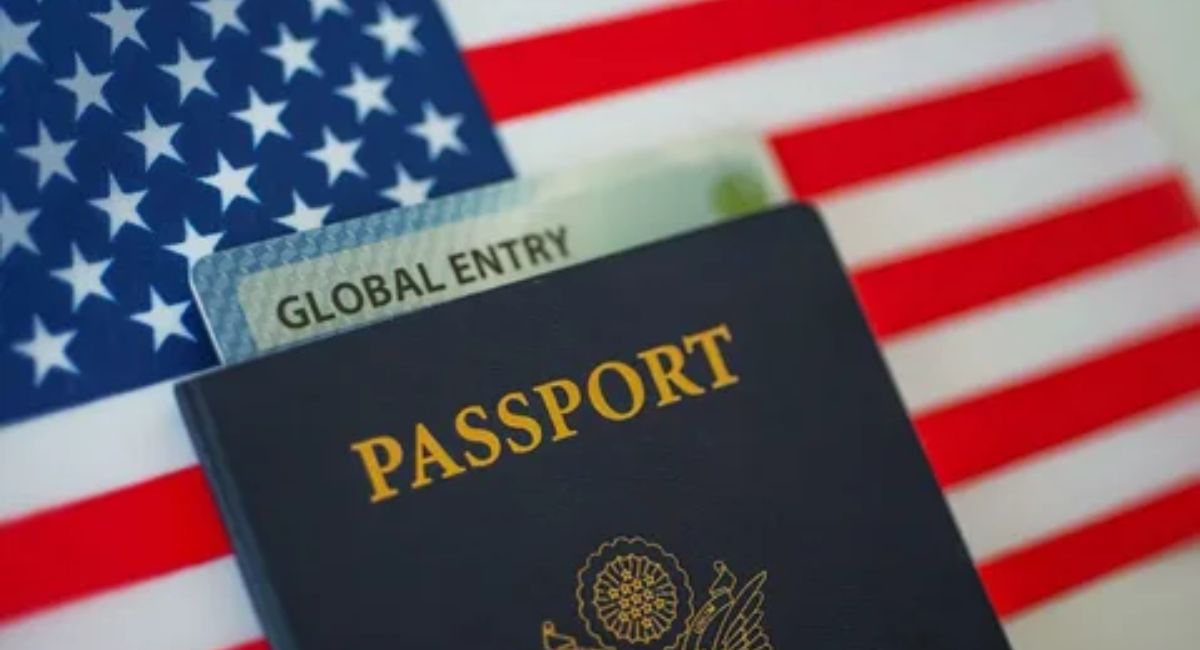
Digital identification systems are becoming more common in international travel. Many airports are now using biometric verification for faster check-ins and security clearance.
This reduces waiting time and improves passenger flow efficiency, especially during peak travel months like May and June.
Tourism Destinations Seeing Growth in 2026
Asia-Pacific Tourism Boom
Countries in the Asia-Pacific region are experiencing strong tourism growth. Destinations like Japan, Thailand, Indonesia, and Vietnam are attracting millions of visitors due to cultural tourism, affordable travel packages, and improved infrastructure.
Europe Remains a Top Summer Destination
Europe continues to dominate summer travel interest. Cities like Paris, Rome, Barcelona, and Amsterdam are reporting high hotel occupancy rates for June and July 2026.
Rail travel across Europe is also becoming more popular due to its convenience and environmental benefits.
Travel Costs and Inflation Impact
Rising Accommodation Prices
One of the major concerns in May–June 2026 is increasing hotel and rental prices. High demand during the summer season is pushing accommodation costs upward in most tourist destinations.
Travelers are adjusting by choosing alternative lodging options such as vacation rentals and budget hotels.
Budget Travel Becoming More Popular
Due to rising costs, budget travel strategies are becoming more common. People are choosing off-peak flights, shared accommodations, and economical travel packages.
This shift is also helping low-cost airlines and budget hotel chains grow rapidly.
Travel Industry Focus on Sustainability
Eco-Friendly Travel Choices
Sustainable tourism is no longer optional—it is a major industry requirement. Airlines are investing in fuel-efficient aircraft, while tour operators are promoting eco-friendly travel experiences.
Travelers are increasingly selecting destinations that support environmental conservation and responsible tourism practices.
Carbon Offset Programs
Many airlines and booking platforms are offering carbon offset programs. These allow travelers to compensate for their carbon emissions by contributing to environmental projects such as reforestation and renewable energy.
Future Outlook for Travel Industry Beyond June 2026
Continued Digital Transformation
The travel industry is expected to become even more digital in the coming months. From AI-powered booking systems to automated customer service, technology will continue to reduce human effort and improve efficiency.
Stronger Focus on Personalized Travel
Personalization will be a key trend moving forward. Travel companies are shifting from general packages to customized travel experiences tailored to individual preferences.
Conclusion
The travel industry in May and June 2026 is defined by strong demand, rising prices, rapid technological advancement, and a growing focus on sustainability. Airlines, hotels, and tourism companies are adapting quickly to meet the expectations of modern travelers.
As summer approaches, the industry is preparing for one of its busiest seasons in recent years. Whether it is AI-driven planning tools, eco-friendly travel initiatives, or expanded international routes, the future of travel is becoming more connected, efficient, and personalized than ever before.







Leave a Reply