

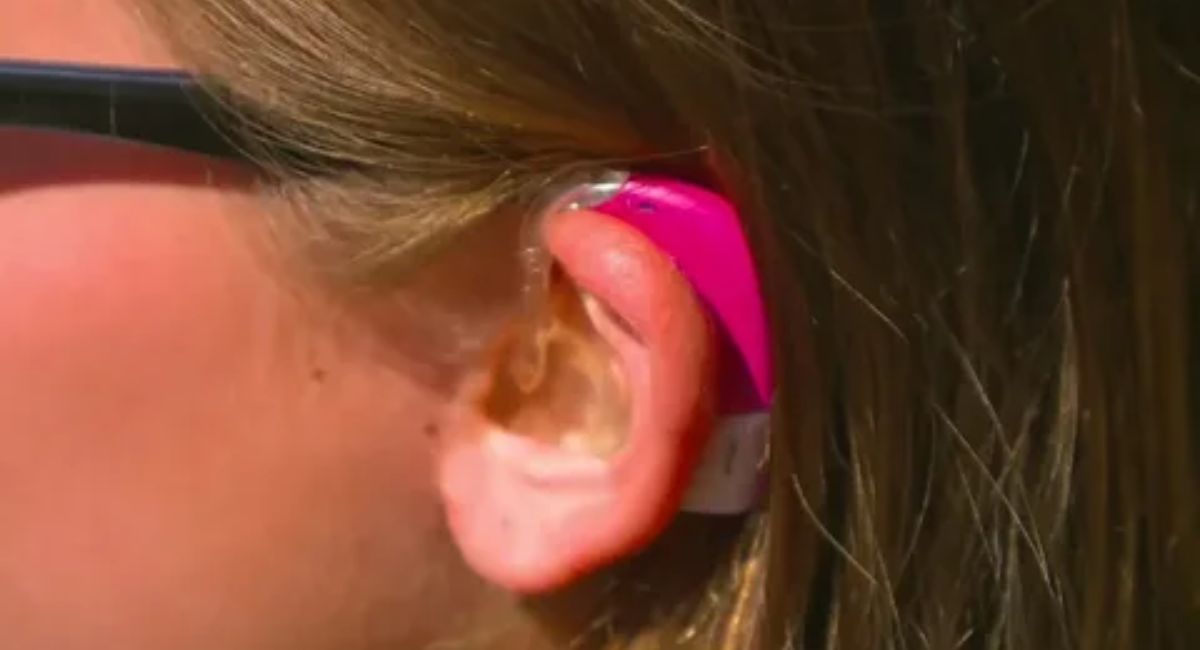
The first step to better hearing and a higher quality of life is getting a hearing device. Many people are focused on getting the correct device and setting it up, but overlook the importance of regular follow-ups following the fitting. These visits are necessary to ensure that the device is working optimally, to address any discomfort and to help users adjust to new sounds.
This guide will explain the importance of follow-up appointments following a hearing aid fit, what takes place during these appointments, and how this contributes to your long-term health.
Understanding the purpose of follow-ups
The fitting of a hearing aid is not an one-time event. The initial fitting ensures that the device is comfortable and provides basic amplification. However, subsequent visits allow for fine tuning and real-world adjustment.
Why Initial Fitting isn’t Enough
An audiologist will program your device during the first fitting based on a hearing test and ear impressions. Real-life listening situations can reveal issues that are not apparent in a clinic.
Your audiologist can:
- Volume and clarity of sound can be adjusted
- The correct feedback or whistling sound
- Comfort issues
- Guide to adapting to new sounds
These visits are essential for users to get the most out of their hearing aids.
What Happens in a Follow-Up
Follow-ups go beyond simple check-ins. Audiologists assess each person’s performance, comfort and sound quality.
Check the Device Performance
Your audiologist will:
- Battery life and efficiency
- Amplification levels
- Sound quality in noisy and quiet environments
- Connectivity for Bluetooth devices or streaming devices
Comfort and Fit Assessment
Even well-designed devices can cause some minor discomfort. Follow-ups can help with:
- Pressure Points
- A ringing in the ears or irritation
- Problems with ear tips or molds
Sound Fine-Tuning
These visits are crucial for adjusting.
- Volume and frequency levels
- Program settings for different environments
- Real-ear measurement for accurate sound delivery
Benefits of regular follow-ups
Routine appointments following a fitting of a hearing aid provide many benefits.
Increased Clarity of Hearing
Users may experience difficulties in certain environments or devices may lose their calibration over time. Follow-ups improve the sound to better understand speech and environmental noises.
Enhanced Comfort
The device can be adjusted to reduce fatigue and irritation.
Adaptation of New Sounds
First-time users experience new auditory sensations. Audiologists help users adjust gradually to the new sounds.
Early detection of device issues
Follow-ups can help you identify minor problems like feedback, battery issues, or reduced amplification, before they become more serious.
How often should follow-ups be scheduled?
The frequency of the adjustment depends on individual needs, device type and adjustment period.
Initial Follow-Up
The majority of audiologists recommend that you visit them within a couple weeks after your first fitting. This allows for the initial sound and comfort settings to be adjusted.
Routine Checkups
Following the first month of treatment, it is common to follow up every 3 to 6 months.
- Ensure optimal device performance
- Listen to the changes in programming.
- Reassess your comfort and fit
Need-Based Appointments
If you experience discomfort, a decrease in clarity or technical problems, it is important to visit immediately.
Common Issues Solved during hearing aid fitting Follow-Ups
Even minor hearing problems can have a significant impact on your experience. Audiologists can correct minor problems by following up.
Whistling or Feedback
This common problem can be quickly solved by adjusting the vehicle.
Noise in Noisy Environments
Audiologists can add or modify settings to programs for difficult listening situations.
Ear Discomfort
Follow-ups are necessary to ensure that the device is comfortable and correctly fitted.
Updates on Connectivity and Technology
During visits, modern hearing aids that have apps or streaming capabilities are updated and checked.
Tips to Make the Most of Follow Ups
Keep a Listening Diary
Notify situations in which hearing is difficult, or where feedback occurs. This allows the audiologist to fine-tune their device.
Ask Questions
Understanding settings, battery care and advanced features will help you to get the most out of your device.
Report Un-comfort
Share any discomfort or irritation immediately. Comfort is improved by minor adjustments.
Book Appointments in Time
Visits regularly prevent minor issues from becoming serious problems.
Conclusion
For optimal performance, comfort and hearing clarity after a fitting, it is important to schedule regular follow-ups. These appointments enable audiologists to fine tune devices, identify issues early and help users adjust to new sounds.
Attending scheduled follow-ups, communicating actively with your audiologist and maintaining long-term auditory wellness are all ways to maximize the benefits of a hearing aid. Hearing aids are not just devices. They’re tools that work best when they’re adjusted and cared for over time.














Leave a Reply